Watercolor Christmas Leaf Clipart for Modern Illustrations
In the fast-paced world of digital publishing, the difference between a post that gets scrolled past and one that captures attention often comes down to the quality of the visual assets used. As a blog designer who has spent years refining editorial layouts and optimizing content for high engagement, I have learned that graphic design asset selection is not merely decorative; it is a strategic component of user experience. When I recently evaluated the Watercolor Christmas Leaf Clipart, I immediately recognized its potential to elevate seasonal content across multiple platforms.
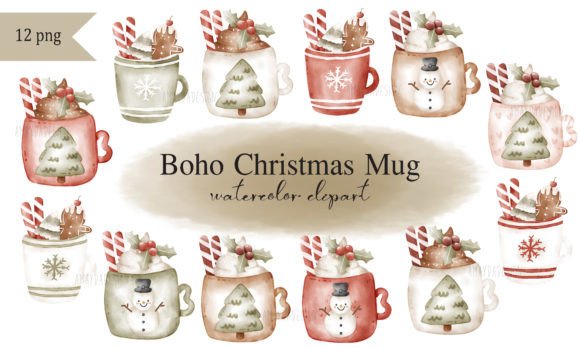
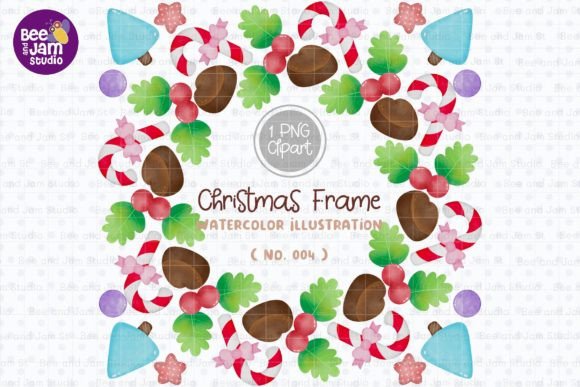
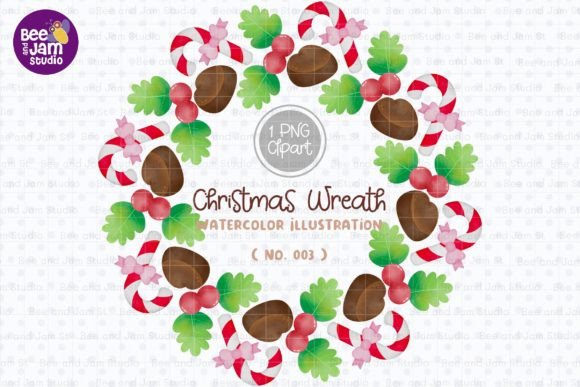
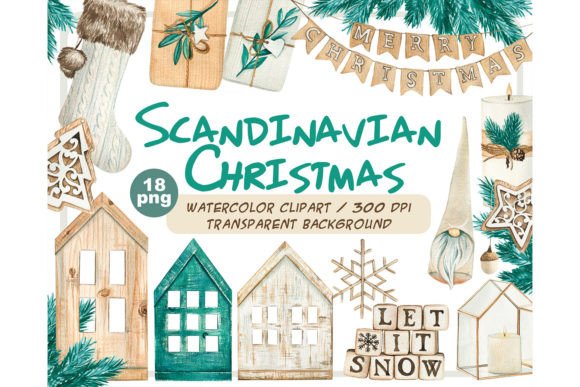
The first impression this set makes is one of soft, organic elegance. Unlike the stark, vector-heavy illustrations that dominate many corporate blogs, these Illustrations bring a hand-painted warmth that feels authentic and inviting. The watercolor texture introduces subtle imperfections and color bleeding that mimic real art, creating an editorial mood that is both lifestyle-focused and artistic. This specific aesthetic naturally supports niches that value creativity, such as home decor, parenting, lifestyle blogging, and small business branding. It signals to the reader that the content inside is crafted with care, fostering a sense of trust before they even read the headline.
Integrating Seasonal Assets into Real Publishing Workflows
Imagine you are a digital publisher preparing a holiday series for your affiliate blog. You need featured images for your top articles, engaging graphics for your newsletter, and eye-catching visuals for your Pinterest strategy. This is where Watercolor Christmas Leaf Clipart becomes indispensable. In my workflow, I use these assets to create cohesive visual hierarchies that guide the reader's eye through the content.
For instance, when designing a featured image for a "Holiday Gift Guide," placing these leaves alongside serif fonts creates a sophisticated contrast that looks polished on desktop screens. However, their utility extends far beyond simple headers. I frequently incorporate them into downloadable resources like digital guides, worksheets, and printable planners. A lead magnet for a Christmas budget tracker or a festive recipe collection gains immediate credibility when wrapped in high-quality design assets that look professionally curated rather than generic.
- Pinterest Graphics: These clipart elements work beautifully as overlays on vertical pins, adding a touch of seasonal flair without obscuring the text.
- Newsletter Banners: Using the leaves as corner accents or background textures can increase open rates by making the email feel personalized and timely.
- Social Media Previews: When sharing blog posts on Instagram or Facebook, these images help your brand identity stand out in a crowded feed.
Enhancing Visual Hierarchy and Brand Identity
One of the most critical aspects of web design is maintaining a consistent visual identity. If your website usually features bold, modern lines, introducing a whimsical watercolor style might seem jarring. However, if your brand leans towards creative entrepreneurship or educational content, this asset fits perfectly. By using Watercolor Christmas Leaf Clipart consistently across your media kit, category thumbnails, and social media graphics, you reinforce a recognizable brand voice.
This consistency directly impacts performance metrics. Stronger visual hierarchy helps readers scan content more efficiently, leading to better click-through potential. When a user sees a familiar artistic style associated with your name, they are more likely to engage with new content. Furthermore, for affiliate marketers, these visuals can soften the sales pitch, making product recommendations feel like helpful suggestions from a friend rather than aggressive advertising.
Strategic Placement for Maximum Impact
While the versatility of these assets is high, knowing where to deploy them is key to avoiding visual clutter. They excel in hero images and article headers where there is ample negative space to let the watercolor texture breathe. They are also ideal for editorial accents, such as bullet points in lists or dividers between sections in long-form content.
However, there are scenarios where caution is required. If you are designing a serious professional niche site, such as a financial advice blog or a legal resource center, the playful nature of watercolor might undermine the authority of your message. Similarly, on small mobile thumbnails, intricate details can get lost, making the image appear muddy rather than elegant. In these cases, it is better to use simplified versions or pair them with solid backgrounds to ensure clarity.
I also advise against using these assets on busy layouts or low-contrast backgrounds. The delicate pigments of the watercolor style require breathing room to be effective. If your background is too complex, the leaf details will compete with other elements, confusing the reader and diluting the intended mood.
Technical Considerations for Digital Publishers
Before integrating any commercial design asset into a monetized website, practical testing is non-negotiable. As a publisher, I always test my designs across various screen sizes. Does the Watercolor Christmas Leaf Clipart retain its detail when scaled down to a 150px thumbnail? Does it look crisp on a retina display but pixelated on older mobile devices?
Contrast and readability are equally vital. Always preview your design with headline text overlaid. Try placing the leaves beside different font styles: a classic serif for a traditional look, a clean sans-serif for modernity, or a handwritten script for a personal touch. If the text becomes illegible against the watercolor wash, adjust the opacity or add a subtle drop shadow. Testing in black and white can also reveal if the tonal values provide enough depth without relying solely on color.
File size optimization is another crucial step for web performance. High-resolution watercolor scans can be heavy, potentially slowing down your page load times. Ensure you compress images properly without sacrificing visible quality. Fast loading speeds are essential for retaining readers and satisfying search engine algorithms.
Licensing and Commercial Usage
Finally, never overlook the legalities of using design assets. Confirm that you have a valid commercial license before using these images on affiliate pages, paid content products, or any platform where you generate revenue. A standard personal license may restrict you from using the clipart in digital downloads or newsletters intended for mass distribution. Ensuring you have the right permissions protects your business and allows you to focus on what matters: creating valuable content.
When used correctly, Watercolor Christmas Leaf Clipart transforms a standard blog post into a visually compelling story. It bridges the gap between technical information and emotional connection, making your content feel more human and approachable. Whether you are building a Canva template for your audience or creating a stunning eBook cover, these illustrations offer the polish needed to compete in today's saturated digital marketplace.
By thoughtfully applying these elements to your content marketing strategy, you signal professionalism and attention to detail. For bloggers, educators, and creative entrepreneurs, this asset is more than just decoration; it is a tool for building a stronger visual identity that resonates with your audience throughout the holiday season and beyond.