Little Snowman Welcoming Christmas Review
As a designer who has stitched hundreds of holiday-themed pieces for clients and personal projects, I know that the difference between a cute digital image and a successful machine embroidery design often comes down to practical application. When I first encountered Little Snowman Welcoming Christmas, my immediate reaction was one of warmth and nostalgia. It isn't just an illustration; it is a visual promise of comfort. Before committing this file to a production run or a custom order, I put it through the mental gauntlet of real-world stitching scenarios to see if it holds up under the needle.
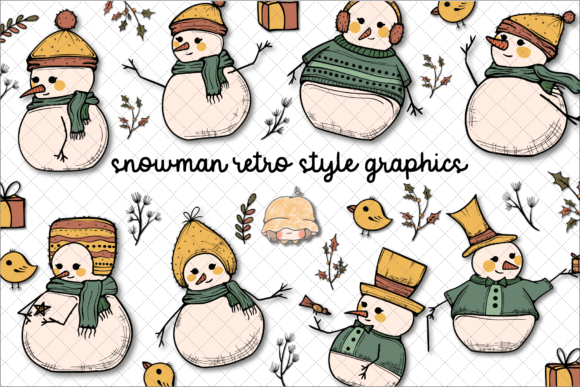
The mood created by Little Snowman Welcoming Christmas is distinctively inviting. The layout feels balanced, avoiding the cluttered look that often plagues seasonal designs. For a designer looking to create a cohesive collection, this piece offers a perfect anchor. It suggests a narrative of friendship and winter joy without being overly complex. The visual personality is soft yet defined, which translates well when converting vector art into thread. Whether you are an Etsy seller preparing holiday listings or a boutique owner stocking gift items, the aesthetic appeal of this design is high enough to drive engagement while remaining timeless enough to last beyond the season.
Real-World Application: From Digital File to Finished Product
I recently considered using Little Snowman Welcoming Christmas for a specific project: a line of custom embroidered tote bags intended as corporate holiday gifts. The goal was to create something that felt handmade but looked professional on a canvas surface. In this scenario, the design's simplicity becomes its greatest asset. Tote bags often require designs that can withstand the rigidity of the fabric and the potential friction of carrying items daily.
If I were to stitch this onto a heavy cotton canvas tote, the clean lines would likely hold up well against the texture of the material. The design does not rely on tiny, intricate details that might get lost in the weave of a thick bag. Instead, it relies on clear shapes and positive space. This makes it an excellent candidate for a tote bag design where visibility is key. Customers walking past a display at a craft fair would immediately recognize the character and the festive theme. The "welcoming" aspect of the snowman adds a human element that customers respond to emotionally, increasing the perceived value of the finished product.
Beyond totes, this design shines brightly on apparel. Imagine sweatshirt embroidery featuring this snowman on the chest pocket area. The rounded nature of the character fits perfectly within the confined space of a pocket, creating a subtle yet charming detail. It avoids the bulkiness that can occur with larger, denser designs on hoodies. Similarly, for baby embroidery on onesies or booties, the soft, friendly expression ensures the garment looks adorable rather than overwhelming. Parents want their children's clothes to be gentle and sweet, and this design delivers exactly that tone.
For those selling digital embroidery files or creating mockups, Little Snowman Welcoming Christmas offers versatility. You can visualize it on a kitchen towel, adding a touch of whimsy to a functional item. It works equally well on a pillow cover, where the softness of the background fabric complements the snowy theme. The design's adaptability means it can serve as a design asset for various commercial embroidery needs, from small shop products to larger batch productions.
Navigating Challenges and Fabric Constraints
While the design is strong, no single file is perfect for every situation. As an experienced reviewer, I must point out where Little Snowman Welcoming Christmas requires careful consideration. One of the primary concerns is the hoop size. If the original artwork contains very fine lines or small text elements, attempting to stitch this in a smaller hoop (like 4x4 inches) could result in a loss of definition. The thread tension might cause these delicate areas to pucker or blur, ruining the crispness of the snowman's features.
Fabric choice is another critical factor. While this design looks great on stable materials like denim or canvas, it may struggle on highly textured fabrics or thin, stretchy knits without proper stabilization. Stretchy fabrics, common in custom apparel like t-shirts, can distort the shape of the snowman if the stabilizer is not adequate. The density of the stitches plays a role here; if the fill stitch is too dense, it can make the fabric stiff and uncomfortable, especially on baby items or garments worn close to the skin. Conversely, if the density is too low, the design may lack coverage and look patchy.
Dark fabrics present a specific challenge. To ensure the white and light colors of the snowman pop, you will need to use a high-quality underlay and potentially adjust the thread colors. On dark backgrounds, the contrast is essential for recognition. If the thread selection is off, the design can lose its impact. Additionally, for curved surfaces like caps, the curvature of the hat can distort the perspective of the snowman. A flat design like this often requires significant digitizing adjustments to account for the curve, otherwise, the snowman might appear stretched or squashed.
Professional Notes for the Embroidery Designer
Before integrating Little Snowman Welcoming Christmas into your workflow, there are several technical steps you must take to ensure a professional outcome. First and foremost, always test the design on scrap fabric that matches your final project material. This allows you to check the thread color contrast and observe how the stitch density interacts with the fabric grain. You can spot potential puckering issues early, saving you time and money on wasted materials.
Reviewing the stitch types is also vital. Does the design utilize satin stitch effectively for outlines, or does it rely too heavily on fill stitch which can become bulky? Are the running stitch details clear enough to be visible after washing? Inspect the small details closely; sometimes what looks good on a screen can become muddy when stitched. It is also wise to test the design in black and white mockups to verify that the composition works regardless of color variations.
When preparing for production, confirm whether the design includes appropriate applique design elements if you plan to use multiple fabrics. Applique can add depth and reduce the overall stitch count, making the project faster to execute and more durable. However, if the design is purely embroidered, ensure you have the right stabilizer type—cut-away for stability on stretchy fabrics or tear-away for lightweight wovens.
Finally, never overlook the legal and licensing aspects. If you intend to sell finished products made with this design, you must confirm the licensing terms. Some embroidery files are for personal use only, while others allow commercial sales. Check the documentation provided with the download. If you are selling the digital file itself, ensure you have the rights to redistribute it. Ignoring these terms can lead to serious legal issues for your craft business.
In conclusion, Little Snowman Welcoming Christmas is a versatile and charming addition to any embroidery library. Its ability to convey a warm, festive mood makes it suitable for a wide range of projects, from personalized gifts to boutique merchandise. By paying attention to fabric choices, hoop sizes, and stabilization techniques, designers can transform this illustration into a stunning finished product that delights customers and elevates their brand. Whether you are a hobbyist making a unique gift or a seasoned entrepreneur expanding your catalog, this design offers a solid foundation for creativity.