Little House with Christmas Ornaments in Illustrations
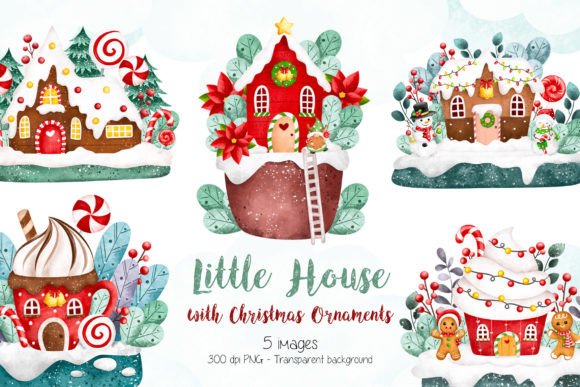
As a brand designer and content marketer, I am constantly evaluating new graphic design assets to ensure they elevate our visual communication rather than cluttering it. Recently, I had the opportunity to review a charming asset titled Little House with Christmas Ornaments. My goal was to determine if this piece could serve as a versatile foundation for a seasonal campaign for a small business client launching a holiday collection. The first impression of this illustration is one of immediate warmth and nostalgia. It does not scream for attention; instead, it invites the viewer into a cozy, curated space. This subtle approach is exactly what modern audiences crave when they are scrolling through busy feeds.
The mood created by Little House with Christmas Ornaments is distinctly festive yet understated. It avoids the chaotic, overly saturated aesthetic that often plagues holiday marketing materials. Instead, it offers a sense of calm and reliability. For brands focusing on handmade products, lifestyle content, or premium gift guides, this emotional tone is invaluable. It signals that the business values quality and thoughtfulness over flashiness. When used correctly, this illustration helps establish an emotional connection that can significantly boost audience trust. It feels suitable for casual branding but possesses enough detail to support premium visuals and editorial graphics without looking out of place.
Fitting the Asset into a Real Marketing Workflow
Imagine a scenario where a boutique candle maker is preparing to launch their winter scents line. They need to refresh their social media visuals, create packaging inserts, and prepare a digital campaign for Pinterest. In this workflow, Little House with Christmas Ornaments becomes more than just a picture; it acts as a unifying element. By placing this illustration on product labels and website headers, the brand creates a cohesive narrative that tells a story of home and comfort.
This asset supports the creation of a comprehensive content kit. Whether you are designing Instagram posts, Facebook ads, or email banners, the illustration provides a consistent anchor point. It allows the brand to maintain visual consistency across different platforms while adapting the surrounding text and colors to fit specific promotional goals. For example, using this image as a hero graphic for a blog post about holiday decorating tips immediately sets the right context. It transforms a standard informational post into a branded experience that feels personal and inviting.
Performance Across Diverse Branding Channels
In my experience, the versatility of a design asset determines its long-term value. Little House with Christmas Ornaments performs exceptionally well in various marketing and branding situations. As part of a brand identity system, it can be scaled down to become a decorative element in a logo design or expanded to serve as a primary icon for a product label.
For social media managers, this illustration is a goldmine for creating engaging content. It works beautifully as a background for social media graphics, allowing text overlays to pop without competing with a busy pattern. On Pinterest, which relies heavily on visual discovery, this type of high-quality Illustrations can drive significant traffic when used in pins that link to shop pages or blog articles. It also serves as an excellent component for lead magnets, such as downloadable holiday planners or printable decorations, adding a professional touch to free resources.
The asset is equally effective in physical applications. When integrated into packaging design or used as a sticker for shipping boxes, it enhances the unboxing experience. Customers remember how a package looks and feels, and a well-placed illustration like this reinforces the brand's personality. Furthermore, for designers building Canva templates or design bundles, this image provides a ready-made focal point that saves time and ensures a polished final result.
Strategic Alignment with Marketing Goals
Every design decision should serve a strategic purpose. Using Little House with Christmas Ornaments directly supports key marketing goals such as stronger first impressions and clearer visual hierarchy. Because the illustration has a defined center of interest, it naturally draws the eye, guiding the viewer to the most important message or call to action.
This clarity leads to better product presentation and improved audience trust. When a brand uses cohesive, high-quality visual hierarchy elements, it signals professionalism. Audiences are more likely to engage with content that looks intentional and carefully crafted. Additionally, the nostalgic theme of the house and ornaments fosters a memorable campaign visual that sticks in the mind longer than generic clipart. It transforms a simple advertisement into a piece of storytelling that resonates with the target demographic.
Ideal Applications for Hero Graphics and Campaign Headers
The design asset works best when given room to breathe. It is perfect for hero graphics, campaign headers, and product launch visuals where it can be displayed at full size. In these positions, it sets the tone for the entire page or ad unit. It is also ideal for branded templates, social media covers, and packaging accents where it adds a layer of depth and character.
When used in content bundles or promotional banners, it acts as a decorative brand element that ties disparate pieces of content together. For editorial layouts, it provides a soft, inviting entry point for readers. Its ability to function as a standalone image or a supporting accent makes it a highly adaptable tool for any creative entrepreneur looking to enhance their commercial design output.
Navigating Limitations and Contextual Challenges
However, no single asset fits every scenario. There are specific contexts where Little House with Christmas Ornaments should be used with caution. It may not be the right choice for formal corporate branding, where a more abstract or geometric style is typically preferred. Similarly, in dense information layouts or text-heavy ads, the illustration might compete with the main message rather than supporting it.
Designers must also consider screen real estate. On small mobile graphics, intricate details can get lost, so scaling or simplification might be necessary. Avoid placing it on low-contrast backgrounds where the lines of the house and ornaments might disappear. For overly minimal brands, the detailed nature of this illustration could feel too heavy, disrupting the clean aesthetic those brands strive for. Always ensure the asset complements the message rather than overwhelming it.
Practical Brand Designer Notes for Implementation
To maximize the impact of this digital product, I recommend a few practical steps before integrating it into a live campaign. First, test it with your existing brand color palette. Does the warm tone of the illustration harmonize with your primary colors? Check how it looks in black and white usage to ensure it retains its form without color cues.
Place the asset inside real campaign mockups to see how it interacts with other design elements. Preview it on mobile screens to verify readability and impact at smaller sizes. Compare it against competitor visuals to ensure your brand stands out while maintaining industry standards. Pay close attention to typography pairing; this illustration pairs well with serif fonts for a classic look, sans-serif fonts for a modern touch, or script and handwritten fonts for a personal feel. However, avoid using display fonts that clash with the whimsical nature of the drawing.
Review spacing and balance to ensure the illustration does not crowd the layout. Finally, confirm commercial licensing before using it in paid campaigns, client work, or business branding. Understanding the terms of use is crucial for protecting your business and ensuring ethical use of design assets.
Ultimately, Little House with Christmas Ornaments is a strong addition to any library of creative design tools. It offers a blend of charm and professionalism that can elevate small business branding and content marketing efforts. By understanding its strengths and limitations, creators can leverage this illustration to build authentic connections with their audience and deliver memorable visual experiences.