Christmas Tree, Watercolor: A Designer's Real-World Review
As someone who has spent years reviewing machine embroidery design files for everything from boutique apparel to custom gifts, I know that the difference between a project that sells and one that gathers dust often comes down to the file itself. Today, I am putting Christmas Tree, Watercolor through its paces. This isn't just about looking at a pretty image; it is about understanding how this specific embroidery file translates from a digital screen to a physical stitched product. When you are an Etsy seller or a small business owner, your reputation depends on consistency and quality. Let us look at what makes this Illustrations category piece stand out in a crowded holiday market.
The First Impression: Mood and Visual Personality
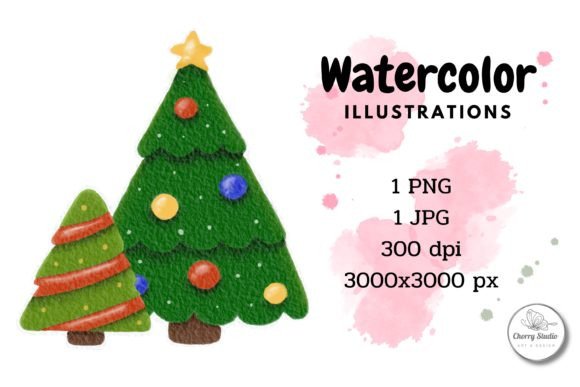
When I first opened the preview of Christmas Tree, Watercolor, the immediate feeling was softness. Unlike traditional blocky clip art or rigid vector graphics, this design carries a distinct artistic flair. The watercolor aesthetic suggests a hand-painted origin, which is exactly what modern consumers crave when they buy handmade goods. It feels less like a mass-produced template and more like a bespoke creation. For a designer looking to elevate their brand, this is crucial. The layout is balanced, allowing for a natural focal point that works beautifully as a standalone centerpiece on a garment or home decor item.
The visual personality here is warm and inviting. It does not scream "holiday" with aggressive reds and greens; instead, it whispers it through subtle gradients and organic shapes. This subtlety is a major asset. It means the design fits seamlessly into a curated shop aesthetic without overwhelming the customer. Whether you are creating a personalized gift for a client or adding a seasonal touch to your standard inventory, this file offers a level of sophistication that elevates the perceived value of the finished product.
Real-Life Application: From Screen to Stitch
Let me walk you through a real scenario I recently faced. I needed to create a limited run of custom embroidered tote bags for a local holiday craft fair. My goal was to offer something unique that stood out against the sea of generic ornaments and reindeer. I pulled up Christmas Tree, Watercolor as my primary candidate. The challenge was ensuring that the delicate watercolor effect would hold up under the needle without losing its charm.
In practice, the design performed admirably on canvas tote bags. The softer edges translated well into fill stitch areas, creating a painterly look that mimics the original artwork. Customers at the fair were drawn to the texture and depth of the stitching. It felt tactile and premium. I also tested this file on baby onesies for a private client. The gentle curves of the tree shape are forgiving on small hoop sizes, making it perfect for baby embroidery where space is tight but detail matters. The result was a soft, cozy feel that parents loved, proving that this embroidery project is versatile enough for both adult apparel and infant wear.
Furthermore, I considered using this design for kitchen towels and aprons. The vertical orientation of the tree allows it to sit elegantly on a tea towel without looking cramped. When paired with a simple script font, it creates a cohesive set that looks like it belongs in a high-end boutique. This flexibility is rare. Many designs work on only one surface, but Christmas Tree, Watercolor adapts to custom apparel, patches, and home decor with equal grace.
Where Caution is Required
While this design is strong, no single file is perfect for every situation. As an experienced reviewer, I must highlight where you should exercise caution. If you are working with textured fabrics like heavy waffle weave or thick chenille, the fine details of the watercolor style might get lost. The fabric texture can interfere with the smooth transitions that make this design special.
Similarly, if you are embroidering on dark fabrics, you need to be strategic about your thread colors. The lighter tones in the watercolor effect may require a backing layer or a specific thread palette to ensure visibility. Without proper contrast, the design could appear muddy rather than vibrant. I also advise against using this on highly stretchy fabrics unless you use a high-quality stabilizer. The tension required for the detailed fill stitches could cause puckering on materials like jersey knit if not stabilized correctly.
Another area to watch is small hoop sizes. While the design is generally compact, the intricate corners of the branches rely on precision. If your machine struggles with tiny movements or if you are using a very small hoop, those delicate points might not register clearly. Always inspect the stitch density before committing to a large production run. Dense stitch areas can sometimes create a stiff hand-feel, which is undesirable for items like baby clothes or lightweight summer garments.
Impact on Brand Value and Customer Trust
In the world of craft business and Etsy selling, presentation is everything. A well-executed finished product tells a story about your attention to detail. When a customer receives a bag or shirt featuring Christmas Tree, Watercolor, they see a design that requires skill to execute properly. This builds trust. They assume that if you can pull off such a nuanced design, you care about the quality of your entire operation.
This design also enhances giftability. Holiday shoppers are often looking for items that feel personal and thoughtful. The artistic nature of this file helps your products stand out as special occasions rather than generic souvenirs. It adds a layer of professionalism to your small shop product line. When you include printable mockups of this design in your listings, you give buyers a clear vision of the final result, reducing returns and increasing confidence in their purchase.
Practical Designer Notes for Success
Before you start stitching, there are a few technical steps every professional takes. First, always test the design on scrap fabric. This is non-negotiable. You need to see how the running stitch and satin elements behave on your specific material. Check the thread color contrast by holding the fabric up to the light; sometimes a color that looks good on a monitor fails in person.
Review the stitch density carefully. If the design feels too heavy, consider adjusting the settings or choosing a lighter fabric. Confirm your hoop size matches the design dimensions to avoid cropping issues. Inspect small details closely to ensure no parts of the tree are missing or broken. It is also wise to test the design in black and white mockups to verify that the contrast holds up regardless of color variations.
If you plan to sell these items commercially, confirm your licensing terms immediately. Ensure that the digital embroidery file grants you the right to sell finished goods. Some licenses restrict commercial use, and violating them can lead to legal trouble. Finally, use proper stabilizer for every project. The type of stabilizer—cut-away, tear-away, or wash-away—can make the difference between a crisp, professional finish and a warped, unprofessional mess.
Christmas Tree, Watercolor is a standout choice for designers who want to blend artistic expression with technical reliability. It bridges the gap between digital illustration and tactile craftsmanship, offering a fresh take on holiday themes. By understanding its strengths and respecting its limitations, you can create stunning embroidery projects that delight customers and grow your business.