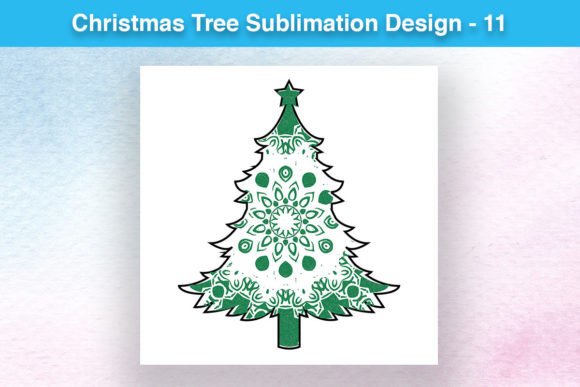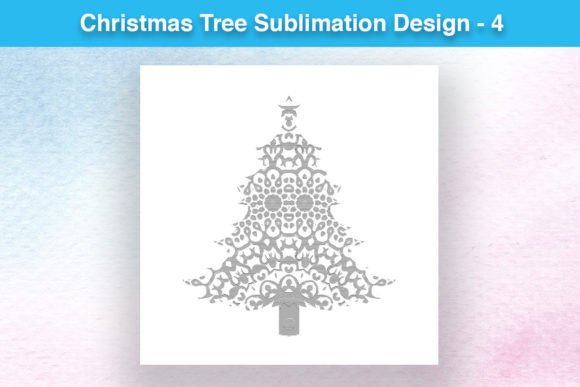
Christmas Tree Plant Vector Illustration for Modern Design Assets
I recently received a brief from a boutique client launching a holiday-themed line of handmade soaps and candles. They wanted to capture the essence of winter without leaning into cliché snowmen or generic Santa imagery. Their goal was to create a brand identity that felt organic, cozy, and slightly rustic yet polished enough for retail packaging. After scanning through various creative design options, I found myself drawn to a specific asset: the Christmas Tree Plant Vector Illustration. As someone who has spent years refining visual hierarchy and brand consistency, my initial reaction was one of cautious optimism. Could this single graphic element elevate their entire seasonal campaign?
The first impression of Christmas Tree Plant Vector Illustration is strikingly clean. Unlike many clipart images that feel dated or overly pixelated, this piece exudes a sense of modern design. The lines are crisp, suggesting it is built on solid vector foundations. It creates an immediate mood of natural elegance, perfectly suited for a handmade business looking to stand out in a crowded marketplace. The illustration does not scream "holiday"; instead, it whispers it, offering a sophisticated backdrop that allows typography and product photography to take center stage. This subtlety is exactly what we needed for a brand identity that aims to be timeless rather than fleeting.
Evaluating Visual Mood and Brand Fit
In the world of commercial design, the emotional resonance of an asset is just as critical as its technical quality. When I placed Christmas Tree Plant Vector Illustration onto a mockup of a soap label, the effect was transformative. The organic curves of the plant suggested growth and sustainability, aligning perfectly with our client's eco-friendly values. It works exceptionally well as a decorative accent in large layout areas, such as a hero graphic on a website or a full-bleed background for a digital ad. However, its versatility extends far beyond simple decoration.
This graphic design asset is versatile enough to serve as a core component of a logo design. For a small business branding project, using the tree as a monogram or a badge element can create instant recognition. I tested it against several font styles, including serif fonts for a classic look, sans serif fonts for a modern touch, and script fonts for a handwritten appeal. The illustration held its own against all three, though it paired most beautifully with a clean sans serif typeface that emphasized its geometric roots. This flexibility makes it a valuable addition to any design bundle intended for diverse applications.
Real-World Application Across Media
The true test of any design asset is how it performs across different mediums. I explored how Christmas Tree Plant Vector Illustration translates from screen to print. In terms of printable designs, the resolution is sufficient for high-quality output, making it ideal for creating sticker designs, tote bags, and mugs. For sublimation design projects, the clean lines ensure that colors remain vibrant even when transferred onto fabric or ceramic surfaces.
For digital creators, this asset is a powerhouse. It integrates seamlessly into Canva templates, allowing marketers to quickly produce social media graphics for Instagram posts or Pinterest pins. The vector format ensures that whether used for a tiny mobile notification icon or a massive billboard, the image remains sharp. I also considered its potential for Cricut projects, where precision cutting is paramount. The smooth paths in the SVG design mean less risk of jagged edges when cutting vinyl or cardstock. Whether you are a digital seller creating print-on-demand products or a crafter building custom invitations, this illustration offers a professional finish that elevates the perceived value of the final product.
Strategic Placement and Hierarchy
Understanding where to place an asset is key to maintaining visual hierarchy. Christmas Tree Plant Vector Illustration shines when used as a supporting brand element. It works best in packaging details, framing product information or acting as a border for editorial design layouts. In marketing visuals, it can guide the viewer's eye toward a call-to-action button or a special offer. However, designers must exercise caution. In minimalist branding or corporate materials requiring strict visual hierarchy, this illustration might add too much texture or whimsy. It should be avoided in low-contrast designs where the lines could get lost, or in crowded layouts where it competes with other busy elements.
When used correctly, the asset enhances readability and brand consistency. It adds a layer of emotional appeal that fosters audience engagement, making a campaign feel more personal and inviting. For a publisher or blogger, incorporating this into a blog visual can break up text-heavy articles and provide a festive anchor point for seasonal content. It helps build trust by signaling that the creator cares about aesthetic details, which is crucial for online product launches and Etsy shops competing in saturated markets.
Practical Designer Notes for Commercial Use
Before committing to a client project, I always run a series of checks on any new design asset. First, I convert the Christmas Tree Plant Vector Illustration to black and white to ensure it retains its shape and impact without relying on color. Next, I test contrast on both light and dark backgrounds to guarantee visibility. Previewing the asset at small sizes is essential; if the fine details blur or disappear, it will fail in applications like app icons or social media avatars.
File inspection is another non-negotiable step. I verify the file formats to ensure compatibility with industry-standard software. If a PNG design is included, I inspect the transparency to check for unwanted halos or jagged edges around the edges. For vector editability, I open the SVG file to confirm that the paths are closed and grouped logically, which saves hours of cleanup time during the design process. Comparing the illustration with various font styles—serif, sans serif, script, handwritten, and display—helps determine the best typographic pairing for the specific project goals.
Finally, confirming the commercial license is vital. Using a design asset for a client or business project requires clear rights to modify and distribute. Without a proper commercial license, the risk of legal issues outweighs the benefit of a pretty image. Once verified, this asset becomes a reliable tool in your arsenal of design assets.
In conclusion, Christmas Tree Plant Vector Illustration is more than just a seasonal graphic; it is a functional, high-quality creative design tool. It bridges the gap between festive cheer and professional polish, making it suitable for everything from t-shirt design to web design. For designers, brand owners, and content creators looking to enhance their visual storytelling, this illustration offers the versatility and quality needed to deliver exceptional results in real-world client work. It is a smart investment for anyone aiming to create memorable, cohesive, and commercially viable design projects.