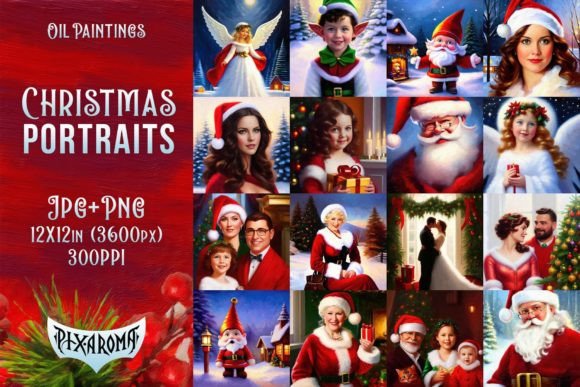
Christmas Oil Painting Portraits Art for Blog Illustrations
As a digital publisher who has spent years curating visual assets for high-traffic blogs and editorial sites, I approach every new graphic design asset with a critical eye. The difference between a generic blog post and a polished, trustworthy publication often comes down to the quality of the imagery used. Recently, I evaluated a set of Christmas Oil Painting Portraits Art to see if it could elevate my seasonal content strategy. My goal was to determine if this piece of art could serve as a versatile foundation for everything from newsletter banners to downloadable lead magnets.
The First Impression: Editorial Mood and Reader Trust
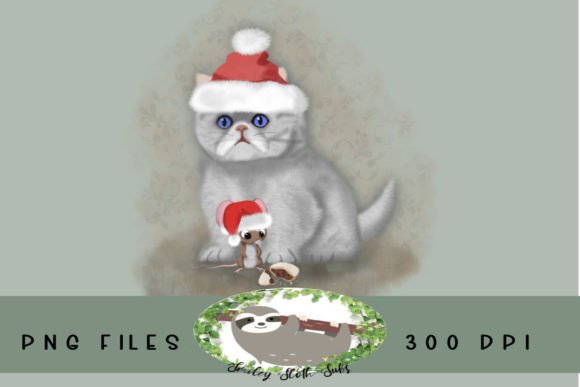
When you first open a file containing Christmas Oil Painting Portraits Art, the immediate feeling is one of warmth and timeless elegance. Unlike flat vector graphics or stock photography that can feel sterile, these illustrations carry a tactile quality that mimics the texture of real canvas. This creates an editorial mood that feels intimate, sophisticated, and deeply human. For a content creator, this translates directly into reader trust; when your website looks like a curated gallery rather than a mass-produced template, visitors are more likely to stay longer and engage with your message.
This style naturally supports niches focused on lifestyle, home decor, family traditions, and creative entrepreneurship. It avoids being overly playful or chaotic, leaning instead into a modern design aesthetic that balances festive cheer with professional polish. Whether you are running a small business branding campaign or publishing a holiday guide, the artistic depth of these illustrations helps establish a strong visual identity that stands out in a crowded social media feed.
Integrating the Asset into Your Publishing Workflow
In my daily workflow, I rarely use an image just once. A true design asset must be flexible enough to adapt to various formats while maintaining its integrity. Here is how I envision using Christmas Oil Painting Portraits Art across different platforms:
- Blog Featured Images: These portraits make excellent headers for articles about holiday traditions, gift guides, or winter wellness. They immediately signal to the reader that the content is high-quality and thoughtfully crafted.
- Pinterest Graphics: Pinterest users respond well to vertical, visually rich images. Using this artwork as a base for a Pinterest pin allows you to overlay text without obscuring the core beauty of the painting, driving higher click-through rates.
- Digital Guides and Lead Magnets: When creating a free Christmas checklist or a winter recipe eBook, placing this illustration on the cover elevates the perceived value of the download. It transforms a simple PDF into a premium digital product.
- Newsletter Banners: Email open rates depend heavily on the visual appeal of the header. A custom newsletter graphic featuring these portraits can significantly boost engagement compared to a plain text subject line.
- Social Media Previews: For Instagram posts or Facebook ads, these illustrations provide a consistent look that reinforces your brand's brand identity during the busy holiday season.
Enhancing Visual Hierarchy and Performance
One of the most critical aspects of content marketing is establishing a clear visual hierarchy. The human eye needs cues to know where to look first. Christmas Oil Painting Portraits Art offers a natural focal point due to its rich colors and detailed brushwork. By centering the portrait within a layout, you can guide the reader's attention toward your headline or call-to-action button effectively.
Furthermore, consistency is key to building a loyal audience. If you use these illustrations across your website, your affiliate pages, and your social channels, you create a cohesive experience. This consistency improves category recognition and makes your site feel more professional. Readers subconsciously associate this level of detail with authority and reliability, which is essential for affiliate marketing and monetized websites.
Strategic Placement for Maximum Impact
While these illustrations are versatile, they shine brightest in specific contexts. I recommend prioritizing their use in areas where visual impact drives action:
- Hero Images: Use the full composition at the top of your homepage or major landing pages to set the tone for the entire site.
- Article Thumbnails: In grid layouts, these images stand out against simpler backgrounds, making them perfect for category thumbnails.
- Editorial Accents: Break up long-form text with smaller crops of the painting to keep readers engaged throughout the article.
- Content Upgrades: Attach these visuals to bonus resources to increase conversion rates on opt-in forms.
Where to Exercise Caution
Even the best creative design requires context. There are scenarios where Christmas Oil Painting Portraits Art might not be the right choice. Because the artwork is rich and detailed, it can become muddy when scaled down too small. Avoid using it as a tiny icon or a mobile-only thumbnail where details will be lost.
Additionally, if your niche is strictly corporate or requires a very minimal, utilitarian visual system, this artistic style might clash with your brand voice. Similarly, on text-heavy blog images where the background needs to be transparent or solid white to ensure readability, the complex textures of an oil painting can interfere with the legibility of your font. Always consider the balance between art and information.
Practical Publisher Notes for Implementation
Before committing these illustrations to your live site, there are several technical steps I always take to ensure they perform well. First, test the asset on both desktop and mobile screens. What looks majestic on a wide monitor might get cropped awkwardly on a phone. Check how it appears inside a real blog layout with your actual headlines and body text.
Contrast is another vital factor. Try placing the image beside different font styles—serif, sans serif, script, and handwritten—to see what pairs best. You want the typography to pop against the painting, not blend into it. Also, run a black-and-white preview to ensure the composition holds up even if color perception varies for some users.
Finally, never overlook web performance. High-resolution oil paintings can be heavy files. Compress images properly using tools designed for web design to ensure your page load speeds remain fast. And crucially, confirm you have the correct commercial license before using these assets on monetized websites, paid content products, or large-scale ad campaigns. A valid commercial license protects your business and ensures you are ethically using the work found on a creative marketplace.
Final Thoughts on Seasonal Design Assets
In the world of online publishing, aesthetics are not just decoration; they are a functional tool for communication. Christmas Oil Painting Portraits Art offers a unique opportunity to bring a touch of classic artistry to modern digital spaces. Whether you are a blogger looking to refresh your blog graphics, a designer building a Canva template for clients, or an educator preparing a seasonal course, this asset provides the polish needed to compete in today's visual landscape.
By integrating these illustrations thoughtfully, you can transform ordinary content into an immersive experience. The result is a website that feels curated, a brand that feels authentic, and a community that trusts your vision. As you plan your next content rollout, consider how a single piece of high-quality art can elevate your entire digital presence.